

Table of Contents
ToggleStreetwear Fashion Jewellery: Defining Urban Identity
Streetwear fashion jewellery represents a powerful cultural movement. It transcends traditional accessory conventions completely. This jewellery category embodies an attitude of rebellion. It merges metropolitan aesthetics with personal expression. These pieces communicate identity without verbalization. They are essential for completing any urban outfit. Our examination explores this dynamic world thoroughly. We will investigate its historical origins and evolution. We will analyze its fundamental stylistic components. We will also forecast future developments within the industry.
This comprehensive guide serves as your introduction. Streetwear jewellery possesses a fascinating background. It emerged directly from underground subcultures. These subcultures valued individuality above everything else. Today, it influences mainstream fashion significantly. Understanding its principles is crucial for appreciation. We will deconstruct its characteristic elements meticulously. You will learn how to incorporate these accessories. The correct pieces can transform an ordinary outfit. They inject personality and deliberate intention.
Streetwear fashion jewellery is constantly evolving. It reflects contemporary societal shifts and youth culture. Designers draw inspiration from music, art, and sport. The results are consistently innovative and provocative. This jewellery challenges established notions of luxury. It prioritizes authenticity and narrative above price. Our journey will illuminate these fascinating dynamics. Prepare to explore the intersection of fashion and identity. Discover how accessories define modern urban style.
Historical Emergence and Cultural Foundations
Streetwear jewellery originated from specific subcultural movements. Hip-hop culture in the 1980s was particularly influential. Artists popularized large, conspicuous gold chains. These pieces symbolized success and cultural pride. They rebelled against minimalist mainstream fashion trends. Graffiti artists adopted similar accessory statements. Their jewellery reflected a bold, defiant attitude. This period established a foundational aesthetic. It prioritized visibility Streetwear fashion jewellery and symbolic meaning.
The 1990s introduced skateboarding culture’s influence. Skaters preferred functional, durable materials. Leather bracelets and woven friendship bands became popular. These items emphasized community and shared identity. Punk aesthetics also contributed significantly during this era. Spiked collars and metallic studs entered the lexicon. These elements represented anti-establishment sentiments perfectly. Different subcultures began merging their Streetwear fashion jewellery distinctive styles. This created a rich, diverse accessory vocabulary.
Japanese streetwear provided another major inspiration. Harajuku styles embraced eclectic, layered jewellery combinations. Designers experimented with unconventional materials playfully. This approach valued creativity over conventional beauty standards. It demonstrated how accessories could create fantasy. European luxury brands noticed this movement eventually. They started incorporating streetwear elements into collections. This marked a significant cultural shift indeed. Streetwear fashion jewellery
The early 2000s witnessed hip-hop’s global domination. Bling culture emphasized extravagant, diamond-encrusted jewellery. This period celebrated overt displays of wealth. It further cemented jewellery’s importance within streetwear. Simultaneously, a minimalist reaction emerged quietly. Some designers favored subtle, symbolic pieces instead. This duality continues to define the category today. Streetwear jewellery accommodated various expressions successfully.
Today’s landscape reflects this complex history beautifully. Contemporary pieces might reference multiple eras simultaneously. Designers possess an extensive archive for inspiration. Streetwear jewellery maintains its rebellious spirit nevertheless. It continues evolving with each new generation. Understanding this history provides deeper appreciation. It reveals the meaning behind modern designs.
Defining Characteristics and Core Aesthetics
Streetwear fashion jewellery possesses several distinguishing features. Prominent branding is an extremely common element. Logos become symbols of cultural affiliation and identity. Streetwear fashion jewellery Designers transform brand names into artistic statements. This differs significantly from discreet luxury jewellery. The message is intentionally direct and unmistakable. Another characteristic involves substantial, chunky proportions. Oversized chains and large pendants command attention. They convey confidence and a powerful presence.
Material innovation is absolutely fundamental to streetwear. Traditional precious metals share space with alternatives. Stainless steel, titanium, and silicone are popular choices. Designers prioritize aesthetic impact and durability equally. Some materials develop character through wear and tear. This patina tells a personal story over time. The aesthetic often embraces an industrial feeling. Hardware elements like carabiners appear frequently. These details reference utility and functionality beautifully.
Symbolism and narrative are deeply important considerations. Pendants often feature significant icons or messages. They might represent cultural heritage or personal beliefs. This transforms jewellery into a conversational piece. Wearers express their values through these selections. Customization and personalization are highly valued. Engraved nameplates or initial pendants are classic examples. This emphasis on individuality remains paramount.
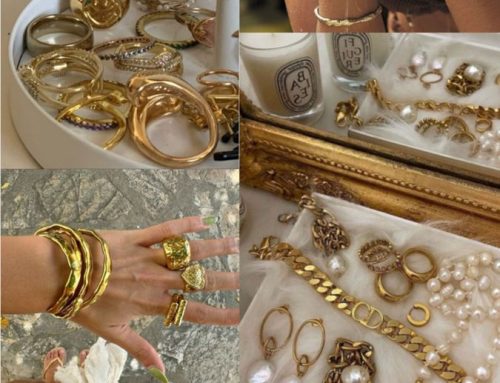
Layering and stacking represent essential styling techniques. Multiple necklaces of varying lengths create dimension. Stacked bracelets and rings achieve Streetwear fashion jewellery a curated appearance. This approach avoids a minimalist, single-piece mentality. The overall effect should appear collected and personal. However, balance and coordination are still necessary. The goal is intentional eclecticism, not carelessness. Each piece should contribute to the narrative.
Color schemes typically remain monochromatic or metallic. Silver, gold, and gunmetal finishes dominate the landscape. Occasional colorful enamel or gemstone accents provide Streetwear fashion jewellery contrast. This allows for versatility within a wardrobe. Pieces can mix with various outfits effortlessly. The aesthetic leans towards cohesive tonal arrangements. This creates a polished yet urban appearance.
Primary Categories and Essential Pieces
Certain jewellery categories define streetwear aesthetics completely. Chains are undoubtedly the most iconic element. They range from delicate cable links to massive Cuban styles. Layering different chain types creates visual interest. Pendants attached to chains personalize the jewellery. These often feature logos, symbols, or custom text. A statement chain anchors any streetwear outfit effectively.
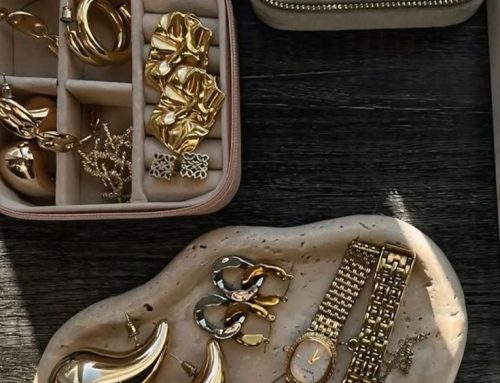
Rings represent another crucial category for expression. Signet rings with family crests enjoy popularity. Bold, chunky bands make a powerful hand statement. Stackable rings allow for intricate finger arrangements. Materials might include metals, acrylic, or silicone. Rings provide detail-oriented opportunities for styling. They are visible during gestures and interactions.
Bracelets and wristwear offer immense versatility. Leather cuffs with metallic details provide ruggedness. Beaded bracelets introduce texture and color possibilities. Tennis bracelets add a touch of refined bling. Layering multiple bracelets creates a Streetwear fashion jewellery dynamic look. The wrist becomes a focal point for accessory collection. This area allows for creative combinations easily.
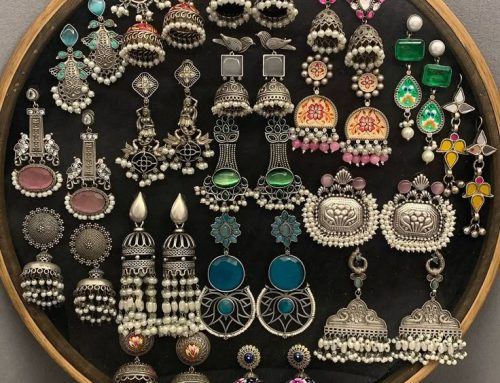
Earrings have experienced a significant resurgence recently. Large hoop earrings project confidence and style. Statement studs featuring distinctive designs attract attention. Multiple ear piercings Streetwear fashion jewellery allow for curated ear constellations. Asymmetrical earring choices create fashion-forward appearances. Earrings frame the face and complete the overall aesthetic. They are essential for a cohesive streetwear presentation.
Beyond these, innovative categories continue emerging. Ankle chains and toe rings offer subtle details. Body chains create dramatic silhouettes under clothing. Eyewear chains combine functionality with fashion. The definition of streetwear jewellery constantly expands. Designers explore new territories for adornment consistently. This reflects the culture’s inherent creativity and boundary-pushing spirit.
Influential Brands and Designer Perspectives
Several brands have shaped streetwear jewellery profoundly. Established luxury houses like Gucci and Louis Vuitton participate. They incorporate streetwise elements into their heritage designs. This legitimizes the category within high fashion circles. Their logo-heavy pieces become status symbols internationally. These brands demonstrate the commercial power of streetwear.
Specialized jewellery labels drive innovation consistently. Chrome Hearts offers gothic-inspired silver creations. Their intricate designs achieve cult status globally. Another influential brand is Ben Baller’s IF & Co. Streetwear fashion jewellery They specialize in custom diamond jewellery for celebrities. Their pieces exemplify modern bling culture Streetwear fashion jewellery perfectly. These brands maintain strong subcultural credibility.
Contemporary designers explore sustainable practices interestingly. They utilize recycled metals and ethically sourced materials. This responds to growing consumer consciousness effectively. Brands like Missoma offer accessible luxury options. Their pieces balance trendiness with timeless appeal successfully. The market accommodates various price points and philosophies.
Collaborations between brands generate enormous excitement. Sportswear giants like Nike partner with jewellers. These limited editions create instant collector’s items. They merge athletic aesthetics with premium jewellery craftsmanship. Such collaborations blur traditional industry boundaries. They demonstrate streetwear’s pervasive cultural influence.
Emerging independent designers contribute fresh perspectives. They often sell directly through social media platforms. Their designs respond quickly to micro-trends. This agility is a significant advantage today. Streetwear fashion jewellery Supporting independent makers fosters creativity. The landscape remains dynamic and democratic.
Styling Strategies and Integration Techniques
Integrating streetwear jewellery requires thoughtful consideration. The foundational principle involves balancing proportions effectively. Substantial jewellery pairs best with simpler clothing. A basic tee provides an ideal canvas for necklaces. This prevents visual competition within the outfit. Conversely, elaborate outfits benefit from subtle accessories.
Layering necklaces remains a quintessential technique. Start with a shorter choker or pendant necklace. Add longer chains of varying textures and weights. This creates depth and draws the eye upward. Ensure layers have sufficient length differentiation. The overall effect should feel intentional and cohesive. Mixing pendant styles adds personal narrative.
Mixing metals is now perfectly acceptable practice. Gold and silver combinations create modern contrast. This approach feels fashion-forward and deliberate. However, maintain some element of harmony. Repeated motifs or shapes can unify different metals. Confidence is the most important accessory ultimately.
Consider the outfit’s neckline when selecting pieces. Crewneck sweatshirts suit longer necklace layers beautifully. V-necks provide space for a single statement pendant. Collared shirts allow chains to sit elegantly underneath. Streetwear fashion jewellery Each garment suggests different styling opportunities. Adapt your jewellery choices to the clothing accordingly.
Do not overlook the impact of smaller details. Rings and bracelets add complexity to an outfit. They create points of interest during movement. Even a simple watch can complement streetwear jewellery. Consider the entire silhouette from head to toe. Every accessory should contribute to the story. Streetwear fashion jewellery
Cultural Significance and Personal Expression
Streetwear fashion jewellery communicates identity powerfully. It often signifies membership within specific communities. Certain pieces indicate musical preferences or cultural affiliations. This nonverbal communication is incredibly effective. Jewellery becomes part of a personal uniform. It connects individuals to like-minded people globally.
The concept of “authenticity” is paramount within streetwear. Jewellery should reflect genuine personal interests. Simply following trends appears contrived and insincere. The most compelling styles emerge from real passion. Wearers curate pieces that hold personal meaning. This authenticity resonates with others immediately Streetwear fashion jewellery .
Jewellery also functions as wearable art frequently. Designers collaborate with visual artists and illustrators. Limited edition pieces become collectible art objects. This elevates jewellery beyond mere accessory status. It carries cultural commentary and artistic intention. Collectors appreciate this deeper significance.
Customization represents the ultimate personal expression. Commissioning unique pieces ensures absolute individuality. Engravings, birthstones, or custom symbols add meaning. This process transforms jewellery into personal artifacts. These items often become cherished possessions forever. They tell a unique story about the wearer.
Streetwear jewellery challenges traditional luxury definitions. Value is determined by cultural capital often. A limited-edition plastic piece might surpass gold’s worth. This redefinition reflects changing consumer values. It prioritizes narrative and exclusivity over material alone. The culture dictates its own value system.
Historical Emergence and Cultural Foundations
Streetwear jewellery originated from specific subcultural movements. Hip-hop culture in the 1980s was particularly influential. Artists popularized large, conspicuous gold chains. These pieces symbolized success and cultural pride. They rebelled against minimalist mainstream fashion trends. Streetwear fashion jewellery Graffiti artists adopted similar accessory statements. Their jewellery reflected a bold, defiant attitude. This period established a foundational aesthetic. It prioritized visibility and symbolic meaning.
The 1990s introduced skateboarding culture’s influence. Skaters preferred functional, durable materials. Leather bracelets and woven friendship bands became popular. These items emphasized community and shared identity. Punk aesthetics also contributed significantly during this era. Spiked collars and metallic studs entered the lexicon. These elements represented anti-establishment sentiments perfectly. Different subcultures began merging their distinctive styles. This created a rich, diverse accessory vocabulary.
Japanese streetwear provided another major inspiration. Harajuku styles embraced eclectic, layered jewellery combinations. Designers experimented with unconventional materials playfully. This approach valued creativity over conventional beauty standards. It demonstrated how accessories could create fantasy. European luxury brands noticed this movement eventually. They started incorporating streetwear elements into collections. This marked a significant cultural shift indeed.
The early 2000s witnessed hip-hop’s global domination. Bling culture emphasized extravagant, diamond-encrusted jewellery. This period celebrated overt displays of wealth. It further cemented jewellery’s Streetwear fashion jewellery importance within streetwear. Simultaneously, a minimalist reaction emerged quietly. Some designers favored subtle, symbolic pieces instead. This duality continues to define the category today. Streetwear jewellery accommodated various expressions successfully.
Today’s landscape reflects this complex history beautifully. Contemporary pieces might reference multiple eras simultaneously. Designers possess an extensive archive for inspiration. Streetwear jewellery maintains its rebellious spirit nevertheless. It continues evolving with each new generation. Understanding this history provides deeper appreciation. It reveals the meaning behind modern designs.
Future Directions and Evolving Trends
The future of streetwear jewellery appears incredibly promising. Sustainability will undoubtedly become more important. Consumers demand transparency regarding material sourcing. Brands will innovate with eco-friendly alternatives extensively. Recycled metals and lab-grown gems will gain popularity. This shift reflects broader environmental consciousness.
Technology integration presents fascinating possibilities. Smart jewellery could incorporate digital functionalities. NFC chips might link to digital assets or content. This merges physical adornment with digital identity. Streetwear fashion jewellery Augmented reality filters could complement real jewellery. The boundaries between physical and digital will blur.
Gender fluidity will continue influencing design approaches. Jewellery becomes increasingly unisex and inclusive. Designers abandon traditional gendered marketing strategies. Pieces are created for individual expression beyond binary. Streetwear fashion jewellery This reflects progressive social attitudes among youth. The market will embrace this diversity fully.
Direct consumer engagement will shape production methods. Social media allows immediate feedback on designs. Brands might produce smaller, responsive batches. Customization options will become standard practice. This demand-driven model reduces waste effectively. It also strengthens community connections.
Cultural cross-pollination will accelerate innovation further. Global influences will create hybrid aesthetic styles. Designers draw from diverse traditions respectfully. This results in truly original and Streetwear fashion jewellery exciting creations. Streetwear jewellery will remain at fashion’s forefront. It perfectly captures our dynamic, interconnected world.
Defining Characteristics and Core Aesthetics
Streetwear fashion jewellery possesses several distinguishing features. Prominent branding is an extremely common element. Logos become symbols of cultural affiliation and identity. Designers transform brand names into artistic statements. This differs significantly from discreet luxury jewellery. The message is intentionally direct and unmistakable. Another characteristic involves substantial, chunky proportions. Oversized chains and large pendants command attention. They convey confidence and a powerful Streetwear fashion jewellery presence.
Material innovation is absolutely fundamental to streetwear. Traditional precious metals share space with alternatives. Stainless steel, titanium, and silicone are popular choices. Designers prioritize aesthetic impact and durability equally. Some materials develop character through wear and tear. This patina tells a personal story over time. The aesthetic often embraces an industrial feeling. Hardware elements like carabiners appear frequently. These details reference utility and functionality beautifully.
Symbolism and narrative are deeply important considerations. Pendants often feature significant icons or messages. They might represent cultural heritage or personal beliefs. This transforms jewellery into a conversational piece. Wearers Streetwear fashion jewellery express their values through these selections. Customization and personalization are highly valued. Engraved nameplates or initial pendants are classic examples. This emphasis on individuality remains paramount.
Layering and stacking represent essential styling techniques. Multiple necklaces of varying lengths create dimension. Stacked bracelets and rings achieve a curated appearance. This approach avoids a minimalist, single-piece mentality. The overall effect should appear collected and personal. However, balance and coordination are still necessary. The goal is intentional eclecticism, not carelessness. Each piece should contribute to the narrative.
Color schemes typically remain monochromatic or metallic. Silver, gold, and gunmetal finishes dominate the landscape. Occasional colorful enamel or gemstone accents provide contrast. This allows for versatility within a wardrobe. Pieces can mix with various outfits effortlessly. The aesthetic leans towards cohesive tonal arrangements. This creates a polished yet urban appearance.
Conclusion: The Enduring Power of Adornment
Streetwear fashion jewellery is more than decoration. It is a vital form of contemporary communication. These accessories convey identity, values, and affiliations. They connect wearers to global communities and cultures. The category’s evolution reflects broader societal changes. It demonstrates fashion’s responsive and democratic nature.
Understanding streetwear jewellery requires cultural literacy. Appreciate its historical roots and symbolic language. Recognize the craftsmanship behind seemingly simple pieces. This knowledge deepens the wearing experience significantly. It transforms accessories into meaningful personal statements.
Embrace the opportunity for self-expression offered. Start with foundational pieces that resonate personally. Experiment with layering and combination techniques. Develop a style that feels authentically yours. Remember that confidence is the ultimate accessory. Streetwear jewellery provides the tools for expression.
The landscape will continue evolving excitingly. New materials, technologies, and influences will emerge. However, the core principles will remain constant. Individuality, authenticity, and community are eternal. Streetwear jewellery empowers people to tell their stories. It transforms personal identity into wearable art.





Leave A Comment